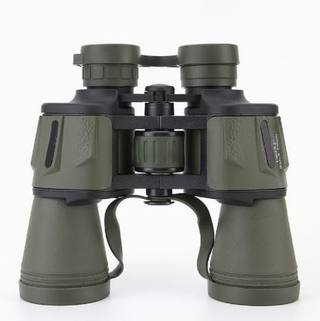
10x50 porro prism binoculars, green
10x magnification 50 mm lenses Porro prism Exit pupil 5 mm Green
£34.00
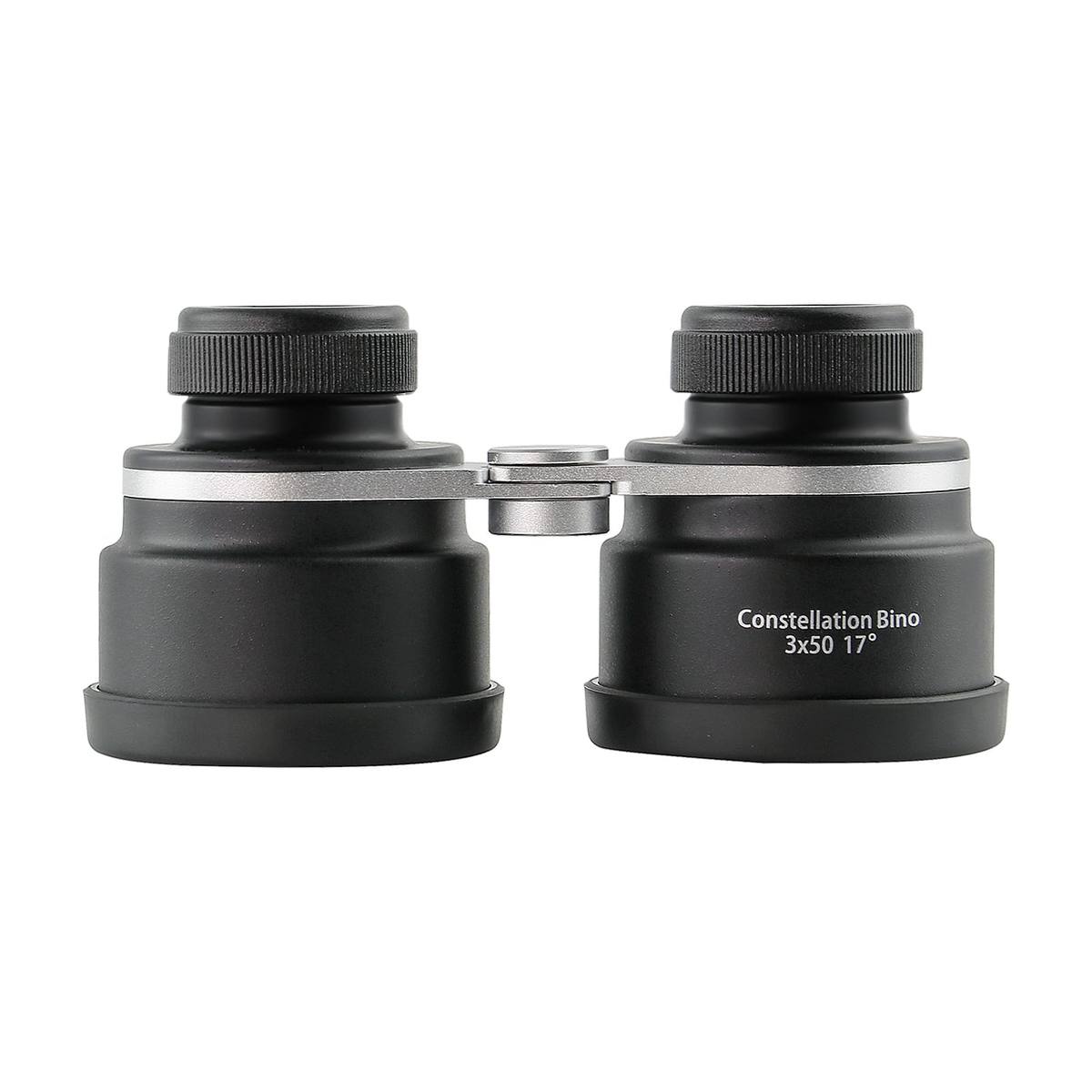
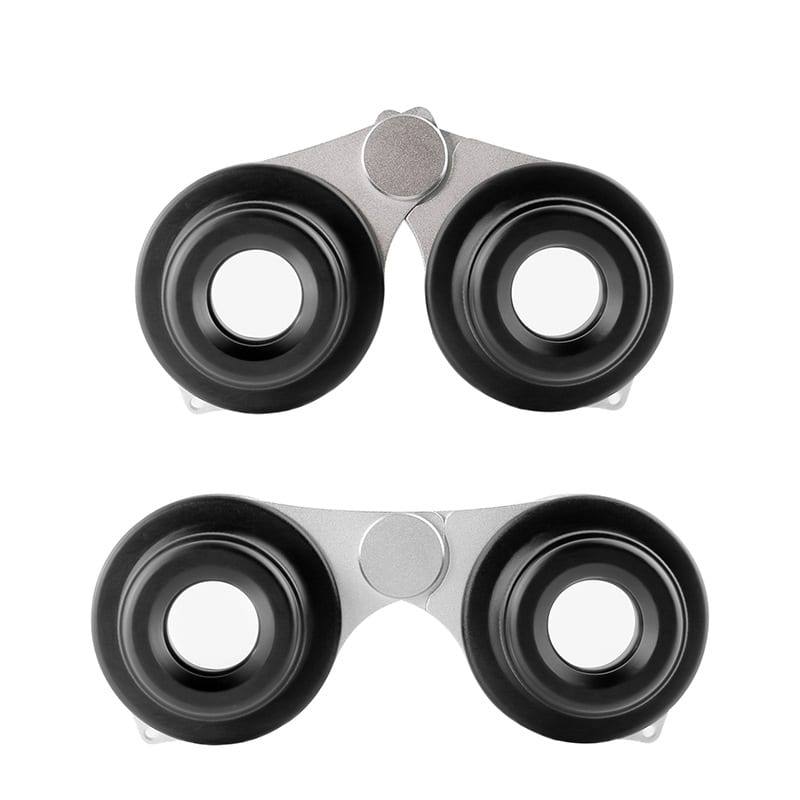
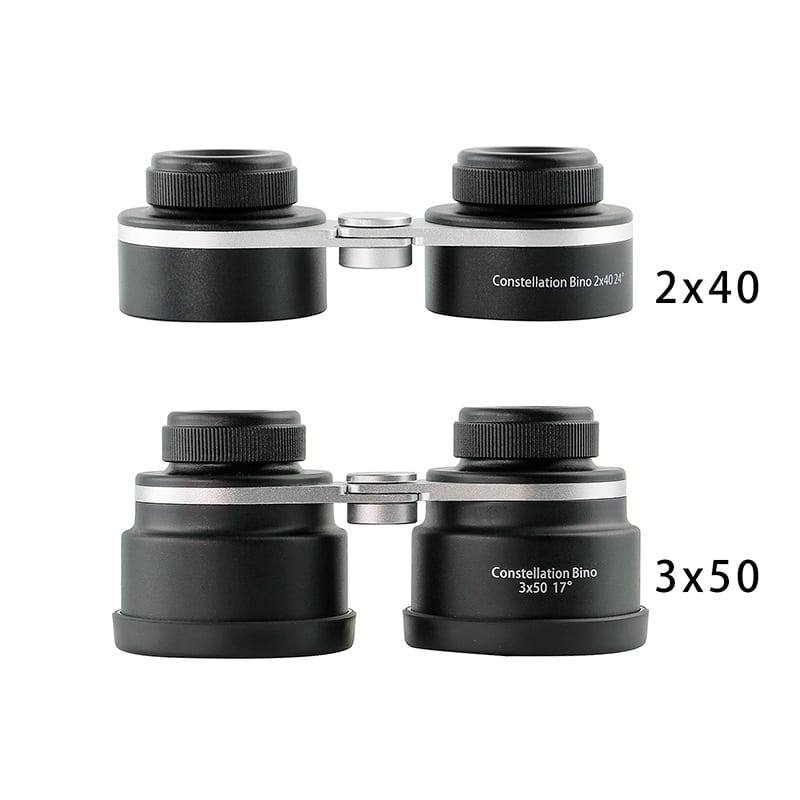
Low power constellation binoculars marked 3x50 with a 17 degree field of view. They do not bring things much closer. Instead they show a large patch of sky, about the size of a whole constellation, a little brighter and deeper than your eyes alone.
Prices in GBP. We are not VAT registered, so no VAT is added. Free delivery.
Most binoculars are made to bring distant things closer. Constellation binoculars do the opposite job: they keep the magnification low so the field of view stays huge. This pair is marked 3x50 with a 17 degree field. For comparison, a typical 10x50 shows around 5 to 7 degrees, and the bowl of the Plough is roughly 10 degrees across.
The result is a view that looks like the naked-eye sky, only with more stars. Star clouds in the Milky Way, the Pleiades with the stars around them, the belt and sword of Orion and the W of Cassiopeia fit into the field with room to spare. Because the magnification is so low, the view stays steady in your hands.
The exit pupil of a 3x50 is 50 / 3 = 16.7 mm, much wider than the pupil of any human eye, which opens to about 7 mm at most in the dark. Your eye can only use the part of the beam that fits through your pupil, so in practice you do not get the full light grasp of a 50 mm lens. What you gain is the field of view and the easy, steady view, not the brightness of a pair of 10x50s. For the Moon's craters, Jupiter's moons and fainter clusters, use a 10x50 or the 12x50 on a tripod.
Use them from the darkest place you can reach, away from street lights, and give your eyes at least 20 minutes to adapt. Sweep slowly along the Milky Way in late summer and autumn, or across Orion and Taurus in winter. A planisphere or a star chart app on a red screen setting helps you find your way. Binoculars for stargazing explains how to choose and use binoculars for the night sky.
| Magnification | 3x |
|---|---|
| Objective lens | 50 mm |
| Field of view | 17 degrees (marked on the body) |
| Eyepiece lens | 18 mm |
| Dimensions | 160 x 80 x 75 mm packed (supplier figure) |
| Weight | 400 g packed (supplier figure) |
| SKU | BS-350-STAR |
Whole constellations, star fields in the Milky Way and bright clusters such as the Pleiades, with more stars than your eyes show alone. They are not the right tool for detail on the Moon or the planets, which need 10x or more.
You can, but at 3x they show only a modest enlargement, and normal binoculars are better for birds and landscapes. Never point them at the Sun.
At 3x, the 50 mm lenses produce a 16.7 mm beam, wider than the pupil of the eye. Your eye uses the central part of it. The design is about a wide, steady field, not the most light.
10x magnification 50 mm lenses Porro prism Exit pupil 5 mm Green
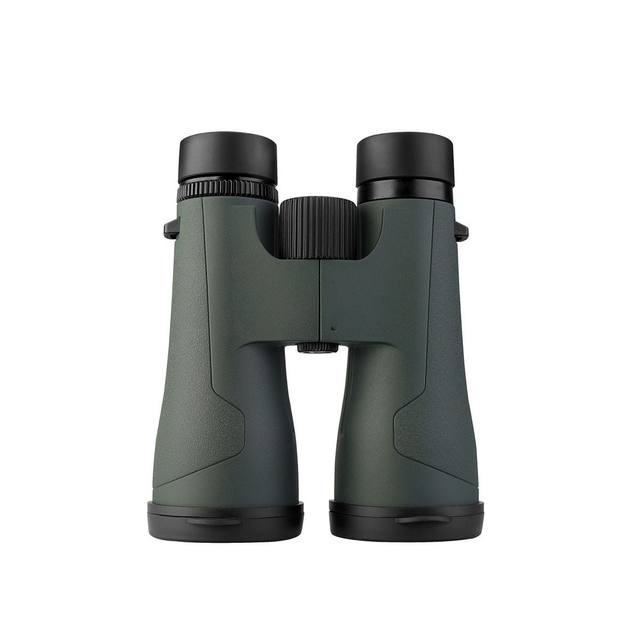
12x magnification 50 mm lenses IPX7 waterproof BaK-4 roof prism Close focus 2.5 m
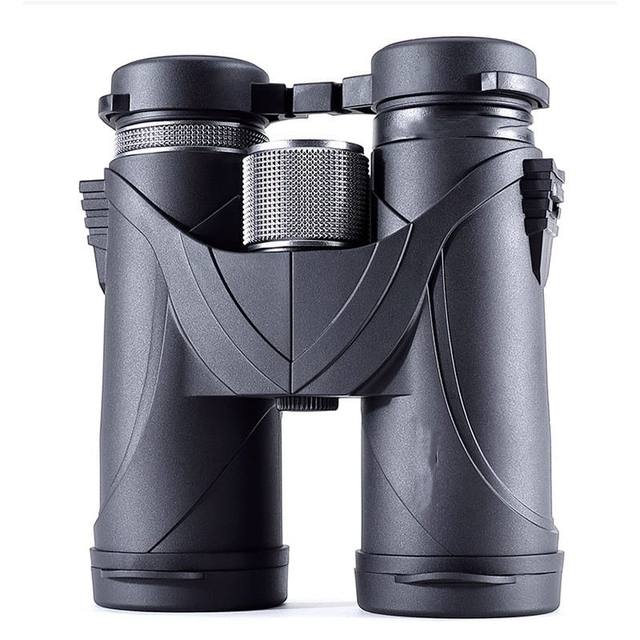
8x magnification 42 mm lenses Roof prism Exit pupil 5.25 mm Black
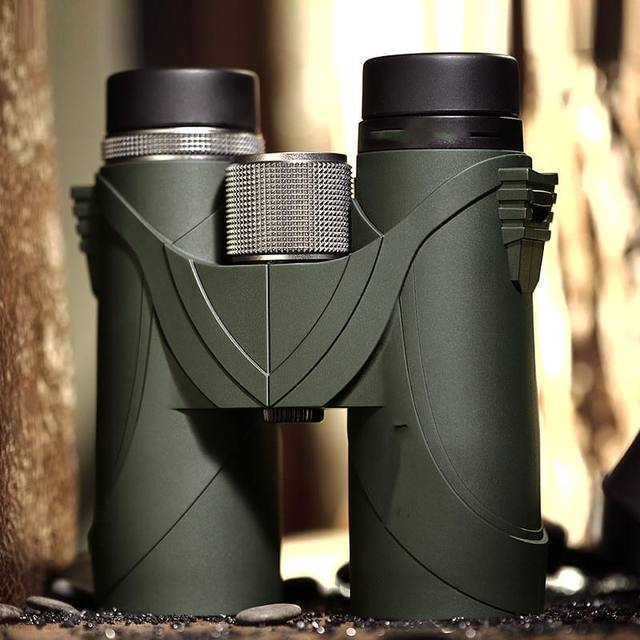
10x magnification 42 mm lenses Roof prism Field 102 m at 1,000 m Green
Added to your cart