Care
Looking after binoculars in wet weather
Using and drying binoculars in rain, fog and sea spray: what waterproof and IPX7 mean, nitrogen purging, cleaning wet lenses and storing them dry.
British weather is hard on optics. A walk along an estuary in November can bring rain, sea spray, mist and a car heater on full blast within an hour. Good habits keep your binoculars clear for years, and most of them take only a minute. This guide covers what the waterproof labels mean, how to use binoculars in the wet, and how to dry, clean and store them.
What waterproof really means
The word "waterproof" on a box can mean very different things, so look for specifics.
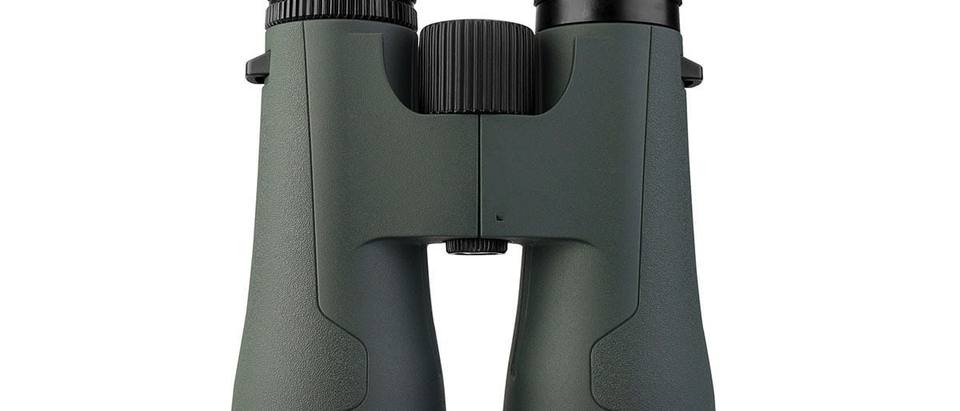
An IP rating. Under the international IEC 60529 standard, IPX7 means the device passed temporary immersion in water at a depth of 1 metre for 30 minutes. The X means no dust rating was given. IPX7 binoculars cope with heavy rain, spray and a drop into a stream. They are not designed for use under water. Our 12x50 waterproof binoculars carry an IPX7 rating.
Seals and gas filling. Waterproof binoculars are sealed with O-rings so that moist air and water cannot get in. Many are also nitrogen or argon purged: the air inside is replaced with a dry gas. With no moisture inside, the inner lens surfaces cannot fog up when the temperature changes, and the gas filling also protects against tarnish and lens fungus.
No rating. If a pair has no IP rating, or the seller only says "water resistant" or "splash proof", treat it as suitable for showers, not downpours. Several of our binoculars fall into this group, and we say so on the product pages.
In the field
- Keep the caps on until you need the binoculars. The objective lens caps and the rain guard over the eyepieces stop most water from landing on the glass.
- Point them down between looks, so rain runs off the barrels rather than onto the lenses.
- Carry them under your coat in heavy rain, with the strap shortened so they sit high on your chest.
- Do not wipe the lenses with your sleeve or a tissue. Rain often carries grit and sand, especially on the coast. Rubbing it across the glass can scratch the coatings. Blot drops gently with a clean lens cloth or lens tissue instead, and clean properly once you are home, because water left to dry on the glass can leave marks.
- Do not breathe on cold eyepieces. On cold days your breath fogs them instantly.
Fog and condensation
There are two kinds of fogging.
Outside fog forms when warm, moist air meets cold glass. The classic case is coming in from a cold walk into a warm house or car, or lifting cold binoculars to your warm face. It is harmless and clears by itself. To limit it, leave the binoculars in their bag when you come indoors and let them warm up slowly before you take them out.
Inside fog forms on the inner lens surfaces. In sealed, gas-filled binoculars this should not happen. In binoculars that are not sealed, moist air can get in and condense on the inside when the temperature drops. Nikon's advice for condensation is to let binoculars dry naturally until the fog has gone. If inside fog keeps coming back, the binoculars need a service.
Drying binoculars at home
- Wipe the outside with a dry, soft cloth as soon as you get in. Nikon advises wiping off rain, dew or mist thoroughly with a dry cloth, even on waterproof models.
- Take them out of the case. A wet case keeps the binoculars damp for days.
- Take the caps off and stand the binoculars in a room at normal temperature, with the eyepieces up so water drains away from them.
- Leave them to dry naturally. Do not use a hair dryer, a radiator or a stove. Heat can harm the seals, the lens cement and the coatings.
- Dry the case and strap separately before you pack the binoculars away again.
After sea spray or muddy water
Salt and mud are worse than rain. Salt crystals scratch and, over time, can corrode metal parts; mud carries grit. For waterproof binoculars, Nikon's advice after sea or muddy water is to rinse them and wipe the outside thoroughly straight away. Use clean fresh water, keep the caps on while rinsing the body, and dry as above. Binoculars without an IP rating should not be rinsed: wipe them with a slightly damp cloth instead.
Cleaning the lenses
Clean the glass only when it needs it, and always in this order:
- Remove loose grit with a blower or a soft, oil-free lens brush. Nikon recommends a soft oil-free brush for dust and sand on the lens surfaces.
- Wipe gently with lens tissue or a soft cotton cloth. For fingerprints and smears, Nikon suggests dampening the tissue or cloth lightly with absolute alcohol. Lens cleaning fluid made for optics works too. Start in the centre and wipe outwards in a spiral with light pressure.
- Avoid velvet cloth and ordinary paper tissue, which can scratch the lens surface, and never clean the lenses with soap and water.
Do not take binoculars apart to clean the inside. Opening them breaks the seal and, on gas-filled models, lets moist air in.
Storing binoculars
- Store them dry and cool, away from radiators, sunny windowsills and damp outbuildings.
- For long storage, Nikon suggests a plastic bag or an airtight container with a desiccant, such as a silica gel sachet.
- Do not leave them in the case all the time. A closed case can trap moisture, which encourages mould and fungus.
- Do not leave them in a car on hot or sunny days, where the temperature can rise high enough to damage them.
Night vision devices in the wet
Digital night vision binoculars and monoculars contain electronics and a lithium battery. Unless a device has an IP rating, keep it out of the rain. Fog and rain also reflect infrared light back into the lens, so wet nights are poor for night vision anyway. Never charge a device that is wet: let it dry completely at room temperature first. More in How digital night vision works.
A quick checklist
- Caps on, binoculars pointing down, under your coat in heavy rain.
- No sleeve wiping: blow, brush, then wipe.
- Indoors: wipe dry, out of the case, caps off, dry at room temperature.
- Salt or mud: rinse waterproof binoculars in fresh water, then dry.
- Store dry with a desiccant, not in a hot car.
If you are often out in wet weather, choose binoculars with a clear waterproof rating. Our 12x50 IPX7 binoculars are made for exactly that. For everything else on the spec sheet, see What the numbers on binoculars mean.
Frequently asked questions
Can I use binoculars in the rain?
Yes, with care. Waterproof binoculars with a rating such as IPX7 cope with heavy rain. Binoculars without a rating should be kept out of downpours. In both cases wipe them dry afterwards and let them dry fully before you put them away.
Why do my binoculars fog up?
Usually because warm, damp air meets cold glass, for example when you bring binoculars from a cold walk into a warm car or house, or breathe on the eyepieces. The fog clears by itself. If it forms inside the binoculars, the seals are not keeping moist air out.
What does nitrogen purged mean on binoculars?
The air inside has been replaced with dry nitrogen (some makers use argon) and the binoculars are sealed. Because there is no moisture inside, the inner lens surfaces cannot fog up, and tarnish and fungus are less likely.
How do I clean wet or dirty binocular lenses?
Remove grit first with a soft, oil-free brush or a blower. Then wipe gently with lens tissue or a soft cotton cloth, slightly dampened if needed. Never rub dry grit across the glass and never use soap and water on the lenses.
Should I dry binoculars on a radiator or with a hair dryer?
No. Heat can damage lens cement, seals and coatings. Wipe them with a dry cloth, take them out of the case and let them dry at room temperature with the lens caps off.