Night vision
How digital night vision works, and what it cannot do
How digital night vision binoculars use a camera sensor and an 850 nm infrared lamp, how they differ from image intensifiers and thermal, and their real limits.
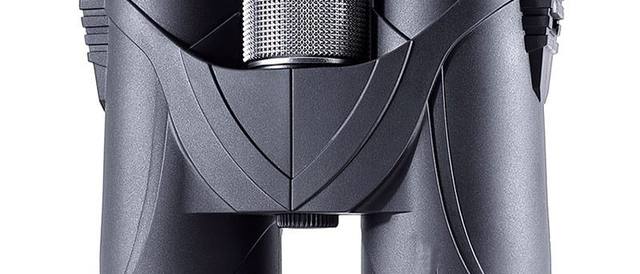
Night vision used to mean expensive military tubes. Today most affordable night vision binoculars and monoculars are digital: in effect a small camera with an infrared lamp and a screen, built into a binocular-shaped body. They work well for watching wildlife in the garden, at a badger sett or on a campsite, as long as you know what they can and cannot do.
Three ways to see in the dark
Digital night vision uses a camera sensor (usually CMOS) that is sensitive to near-infrared light, the part of the spectrum just beyond red that our eyes cannot see. A built-in infrared illuminator lights up the scene, and you look at the result on a screen inside the eyepiece. This is the technology in our night vision binoculars and night vision monocular.
Image intensifier tubes amplify the tiny amount of light that is present at night, from the Moon, the stars and the sky glow. They give the classic green picture with very little delay, but good tubes are expensive.
Thermal imaging does not use light at all. It detects the heat that people, animals and objects give off. A warm fox shows up clearly against cold grass even in fog or total darkness, and no illuminator is needed. Thermal devices cost considerably more than digital night vision.
Inside a digital night vision device
The sensor
A camera sensor turns light into an electrical signal, pixel by pixel. Sensors used for night vision are tuned to respond into the near-infrared range. In daylight the device works like a normal camera and shows a colour image. In night mode, with the infrared lamp on, it shows a monochrome picture.
The infrared lamp
Without some light, even a sensitive sensor sees nothing. So digital devices carry an infrared illuminator, usually an LED at a wavelength of 850 nm. Our night vision binoculars and monocular both use a 3 W lamp at 850 nm.
Two wavelengths are common:
- 850 nm gives the better picture and the longer reach, but shows a faint red glow at the front of the lamp.
- 940 nm is practically invisible, but usually reaches less far and gives a slightly softer image.
Most digital night vision binoculars let you set the lamp to several levels. Use the lowest that gives a clear picture: close subjects stay detailed instead of glaring white, and the battery lasts longer.
The screen and recording
The picture is shown on a small screen behind the eyepiece. Most devices can also save photos and video to a micro SD card, which is a good way to share a night's sightings.
What the specifications really mean
Viewing distance
The distances in specifications, such as 150 to 200 m or 250 to 300 m in full darkness, are the furthest the lamp reaches under ideal conditions. The light from the lamp spreads out as it travels: double the distance and the same light is spread over four times the area, and the reflection coming back weakens in the same way. So the picture fades quickly with distance.
It helps to separate three things:
- Detection: you notice that something is there.
- Recognition: you can tell a fox from a cat.
- Identification: you can see details such as markings.
Each needs a much shorter distance than the one before. Expect recognition at a fraction of the maximum range, and more on moonlit nights when there is extra light to work with.
4K, 36 MP and other big numbers
Many devices list video settings such as 4K and photo sizes up to 36 MP or 40 MP. These are the sizes of the saved files. The detail in them is limited by the small lens, the sensor and above all the amount of light available, so a night scene recorded at 4K does not contain 4K worth of detail. The screen you look at is much smaller: 800 x 480 pixels on our binoculars, 320 x 240 on our monocular.
Digital zoom
Digital zoom enlarges the middle of the picture. It makes things look bigger, but it does not add detail, and in the dark it also makes the image grainier. Optical magnification, where the lens itself enlarges the image, does add detail. Our monocular combines 6x optical magnification with up to 8x digital zoom.
What digital night vision cannot do
- See through fog, rain or falling snow. Water droplets reflect the infrared lamp back into the lens and the scene turns into a bright haze.
- See through windows. Glass reflects the lamp straight back. Switch the lamp off when looking through a window, or go outside.
- Work far beyond the lamp. Without moonlight, anything beyond the reach of the lamp is simply dark.
- Keep your night vision intact. Looking at a bright screen spoils the dark adaptation of that eye. Turn the screen brightness down if your device allows it.
- Last for ever on one charge in the cold. Lithium batteries deliver less in low temperatures. Start fully charged and carry a power bank on winter nights.
Eyeshine
Many animals, including foxes, deer, cats and badgers, have a reflective layer at the back of the eye. In the beam of an infrared lamp their eyes often shine brightly on the screen, which makes them easy to spot even before you can see the animal's outline. It is one of the most rewarding parts of watching wildlife with night vision.
Using night vision responsibly
- Watch from a distance and stay on paths. Animals that notice you will change their behaviour or leave.
- Keep the lamp off people, their gardens and their windows.
- Do not shine lamps at nest sites or roosts.
- Remember that the red glow of an 850 nm lamp can be seen by animals and people looking straight at it.
Binoculars or monocular?
- Digital night vision binoculars: a 3 inch internal screen viewed with both eyes, built-in 4000 mAh battery, 32 GB card included. More comfortable for long sessions.
- Digital night vision monocular: 6x optical magnification, a 2 inch screen and one-handed use. Lighter and easier to carry.
Both work in colour during the day. For ordinary daytime use, though, optical binoculars give a far better view: see our binoculars and What the numbers on binoculars mean.
Frequently asked questions
How do digital night vision binoculars work?
They use a camera sensor that is sensitive to near-infrared light and a built-in infrared lamp. In the dark the lamp lights the scene with light your eyes cannot see, the sensor records the reflection, and the picture appears on a small screen inside the eyepiece.
What is the difference between night vision and thermal imaging?
Night vision shows reflected light, either from an infrared lamp or from moonlight and starlight. Thermal imaging detects the heat that objects give off, so it needs no light at all and shows warm animals clearly against a cool background, but it costs much more.
Why does my night vision device glow red?
Infrared lamps at 850 nm give off a faint red glow that you can see if you look straight at the front of the device. Lamps at 940 nm are practically invisible but usually reach less far.
How far can digital night vision see?
As far as its infrared lamp lights the scene. Specifications often give 150 to 300 m in full darkness, but those are best-case figures. Recognising an animal is possible at a fraction of the maximum distance, and less in mist or rain.
Can night vision see through windows?
Not well. Window glass reflects the infrared lamp straight back into the lens. Switch the lamp off and rely on outside light, or step outside.