Travel
Best binoculars for safari: 8x42, 10x42 or compact?
Choosing binoculars for a safari: 8x or 10x from a vehicle, dawn and dusk light, dust, weight, straps and packing for small bush flights.
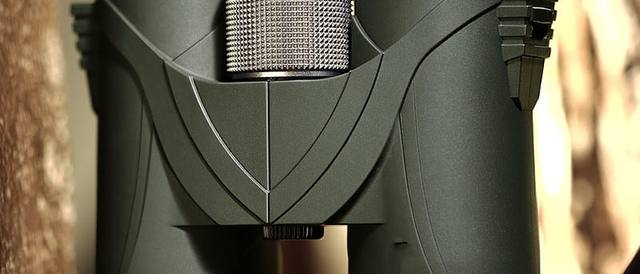
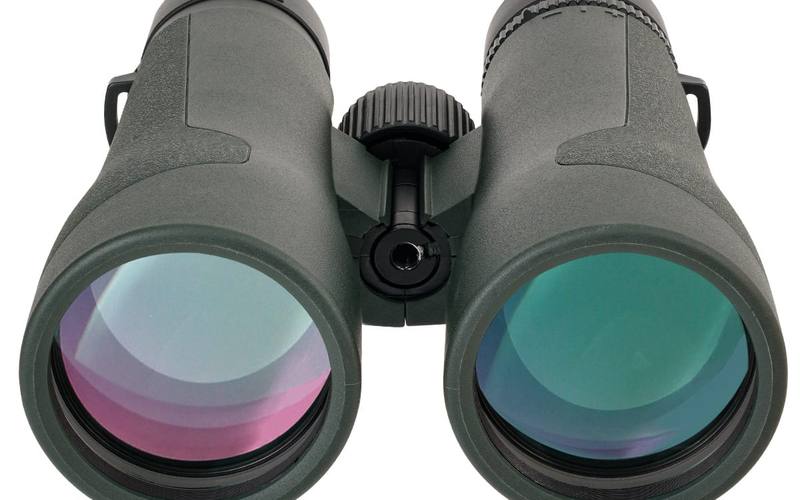
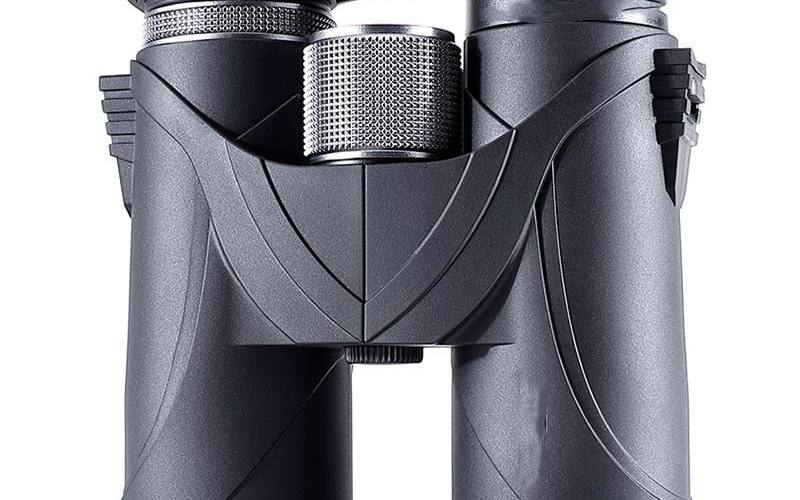
For most safaris, a full-size 8x42 is the easiest pair to use from a game vehicle: the view is wide enough to find an animal quickly, steady enough to hold with the engine ticking over, and bright enough for the first and last hours of the day. Choose 10x42 if you expect wide open plains and distant birds of prey, and treat a compact pair as a light spare rather than your main binoculars. Whatever you pick, try to give everyone in your party a pair of their own.
The short answer
- 8x42: the best all-round choice for game drives, walking safaris and birds around camp.
- 10x42: more detail at a distance, for open grassland and for anyone with steady hands.
- 10x25 compact: light and pocket sized, fine at midday, a good spare or a pair for an older child.
Why 8x suits most game drives
Safari operator Wilderness advises choosing a magnification of 7, 8 or 10, and describes 8x as a good choice for bird watching and general safari viewing. The RSPB gives a similar range for birdwatching: 8x or 10x is the best compromise between power and practicality, and anything stronger is hard to hold steady without a tripod.
On a game drive, much of what you watch is close. Lions resting beside the track, elephants crossing in front of the vehicle and a leopard in a tree 50 metres away all look close and detailed at 8x. What matters more is finding the animal fast and following it as it moves. Nikon explains that the lower the magnification, the wider the field of view, and the RSPB notes that a wide field makes following moving subjects easier.
The general 8x versus 10x question is covered in Best binocular magnification for bird watching. The rest of this guide covers what is different on safari.
When 10x earns its place
On open plains, animals are often far away: a herd of zebra on the far side of a plain, a cheetah on a termite mound, a martial eagle in a distant tree. Here 10x shows detail that 8x cannot. The RSPB suggests 10x for open country, and the same logic applies to the savannah.
The cost is a narrower view and more visible shake. Our 10x42 roof prism binoculars are listed with a field of view of 102 m at 1,000 m, so at 100 metres you see a strip about 10 metres wide. A couple travelling together can split the difference: one 8x42 and one 10x42, swapped as the scene changes.
Using binoculars from a vehicle
A safari vehicle is a less steady platform than a garden fence.
- Engine off at sightings. SafariBookings advises making sure the engine is turned off at sightings, and wildlife photographers ask their driver to switch off for the same reason: an idling engine sends a fine vibration through the vehicle. It shows more at 10x than at 8x. Most guides switch off anyway; if yours does not, ask politely.
- Do not rest them on metal while the engine runs. The door or a roll bar passes the vibration straight on. Tuck your elbows into your chest instead, or rest your forearms on your knees.
- Wait for others to settle. When passengers shift in their seats, the whole vehicle moves.
- Lower them on rough tracks. Binoculars at your eyes on a bumpy road can knock your face. Let them hang on the strap until you stop.
Dawn and dusk: why 42 mm lenses help
Most camps run two game drives a day, one in the early morning and one in the late afternoon, because that is when animals are most active. That puts much of your viewing in low light.
Brightness in poor light depends on the exit pupil, the lens size divided by the magnification. Nikon puts the human pupil at about 2 mm in daylight and about 7 mm in the dark. As the light fades, a bigger exit pupil keeps the view brighter for longer:
| Our binoculars | Exit pupil | At dawn and dusk |
|---|---|---|
| 8x42 | 5.25 mm | brightest of the three |
| 10x42 | 4.2 mm | good |
| 10x25 compact | 2.5 mm | dims early |
At midday all three look bright, because your own pupil is small. If you want one pair for the whole day, a 42 mm pair is the safer choice. Compact vs full-size binoculars explains the trade-off in more detail.
Field of view for animals that move
A hunting cheetah, a flock of guineafowl or a bee-eater leaving its perch moves fast. A wide field gives you more chance of keeping it in view. Our 10x42 is listed at 102 m at 1,000 m and the 10x25 is marked 112 m at 1,000 m. The supplier gives no field figure for our 8x42, but as a rule, lower magnification means a wider view.
Technique matters as much as numbers. Keep your eyes on the animal, then raise the binoculars to your eyes without looking away. If you lose it, lower them and start again.
Dust, heat and rain
Dust gets everywhere on safari, especially in open vehicles on dry tracks. The tour operator Explore recommends a case and lens covers to protect binoculars from sand and dust, and SafariBookings suggests a pillow cover or laundry bag for cameras lying in the vehicle, which works just as well for binoculars.
- Seals help. The RSPB explains that sealed, nitrogen-filled binoculars keep moisture, dirt and dust from getting inside. Our 8x42 and 10x42 are sold by the supplier as waterproof but without an IP rating, and the 10x25 has no waterproof rating at all, so keep them in a bag or under a jacket between sightings.
- Clean gently. Nikon advises removing dust or sand from the lenses with a soft, oil-free brush, then wiping very gently with lens tissue or a soft cotton cloth. Never rub grit across the glass with a shirt.
- Mind the heat. Nikon also warns against leaving binoculars in a car on a hot or sunny day. In a parked vehicle, keep them out of direct sun.
- Expect rain in the wet season. Wipe the binoculars dry each evening and let them air before you pack them away.
Weight, straps and one pair each
The supplier lists our 8x42 and 10x42 at 820 g packed and the 10x25 at 370 g packed. Around your neck for a morning drive of three hours or more, the difference is noticeable.
None of these three comes with a strap or a case: the box contains the binoculars only. Buy a padded neck strap or a chest strap before you travel. Safari operator African Safaris recommends a padded strap for long sessions, and a chest strap also stops binoculars swinging on rough tracks.
The same operator advises that everyone should have their own pair, because sightings can be brief. Sharing one pair across a family is possible, but someone always waits while the leopard walks off.
Packing for the flights
- Hand luggage. Carry the binoculars with you rather than in a checked bag, lens caps on, in a soft case or wrapped in a jumper.
- Small bush planes. Many safaris include light aircraft transfers. Rhino Africa says many of these restrict luggage to 15 to 20 kg including hand luggage and require soft-sided bags, and Travel Butlers notes some allow only 10 kg. Check your itinerary.
- Set them up at home. Adjust the hinge and the dioptre before you fly, so you are not learning on your first drive.
Never at the Sun
At dawn and dusk the Sun sits low, close to where animals are silhouetted. The European Space Agency warns never to look at the Sun through any unfiltered optical device, such as binoculars. Keep the Sun out of the view when you scan the horizon.
Which of our binoculars to take
- 8x42 roof prism binoculars: the main pair for most travellers, with a 5.25 mm exit pupil and 18 mm eye relief (supplier figure) for glasses wearers.
- 10x42 roof prism binoculars: more reach for open plains and distant birds.
- 10x25 compact binoculars: a light spare or a pair for an older child, best in daylight.
These are budget binoculars, not premium safari optics, and we only state what the supplier lists. You can compare every option on our binoculars and compact binoculars pages.
Frequently asked questions
What magnification is best for a safari?
8x or 10x. Safari operator Wilderness suggests a magnification of 7, 8 or 10 and calls 8x a good choice for general safari viewing. 8x gives a wider, steadier and brighter view from a vehicle; 10x shows more detail on open plains but shakes more, especially with the engine running.
Are compact binoculars good enough for a safari?
In good daylight, yes, and they are light to carry. A 10x25 has an exit pupil of only 2.5 mm, so the view dims in the early morning and late afternoon, which is when most game drives take place. Take a full-size 8x42 or 10x42 as your main pair and a compact as a spare.
Should everyone on a safari have their own binoculars?
Ideally, yes. Sightings can be over in seconds, and passing one pair around the vehicle means someone usually misses the moment. Some lodges keep spare pairs, but ask your operator before you travel rather than counting on it.
How do I pack binoculars for small safari flights?
Carry them in your hand luggage with the lens caps on, inside a soft case or wrapped in clothing. Many bush flights limit luggage to about 15 to 20 kg per person including hand luggage, and ask for soft-sided bags, so check the allowance on your itinerary.